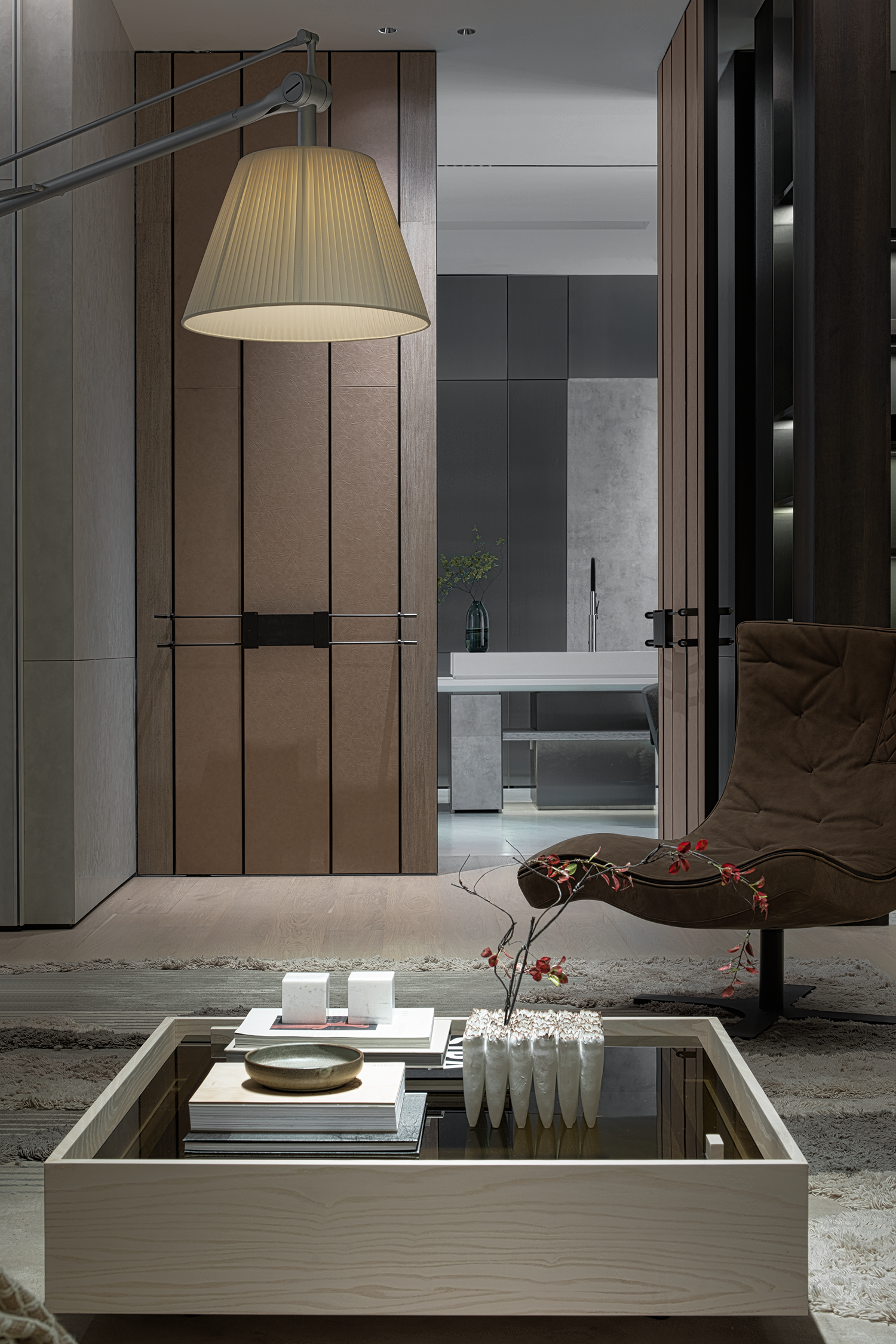
Jakarta Office Interior Design — Redefining What a Great Workspace Really Means in 2026
For years, a “great office” in Jakarta was defined by what you could see: polished finishes, large meeting rooms, executive floors, and impressive reception areas. Today, that definition no longer holds. Office Interior Design Jakarta
In 2026, a great workspace is not about how it looks—it’s about how it performs.
As a designer who creates emotional, people-centric environments, I see offices as strategic business tools. Especially in Jakarta, where talent competition, hybrid work, traffic realities, and economic shifts are forcing companies to rethink why the office exists at all.
Kantor bukan lagi simbol status—kantor adalah mesin kinerja.
How the Definition of a “Great Workspace” Has Changed
From Attendance to Outcomes
Traditional offices were built for presence. If employees were seated from 9 to 5, the office was considered successful.
But today, productivity is measured differently. Hybrid work, cloud technology, and AI tools have shifted focus toward outcomes, collaboration quality, and employee experience.
In Jakarta—where commuting from Bekasi, Tangerang, or Depok can take hours—employees are far more intentional about when and why they come to the office.
Kalau harus datang ke kantor, harus ada value yang jelas.
The 2026 Reality: Offices Must Earn Their Space
A modern office must answer three questions:
-
Why should people come here?
-
What work is best done here?
-
How does the space support business goals?
This is where Jakarta Office Interior Design must move beyond decoration into strategy.
Strategy 1: People-Centric Planning, Not Desk Planning
A great workspace starts with understanding people—not furniture.
At our firm, workplace strategy begins with:
-
How teams collaborate
-
How often they focus individually
-
How leadership communicates
-
How culture is expressed spatially
Desain yang baik dimulai dari perilaku manusia.
In Jakarta’s relationship-driven work culture, offices must balance collaboration spaces with areas for focus and recovery—especially in fast-paced sectors like finance, tech, and FMCG.
Strategy 2: Aligning Space with Business Objectives
An office should actively support what the company is trying to achieve.
For example:
-
Growth-stage companies need flexibility and scalability
-
Established corporates need brand clarity and operational efficiency
-
Regional HQs in Sudirman or SCBD need spaces that host clients and cross-border teams
Jakarta Office Interior Design must therefore align spatial decisions with business strategy—not trends.
Strategy 3: Flexibility as a Core Infrastructure
In 2026, certainty is rare. Offices must adapt without constant renovation.
This means:
-
Modular planning
-
Flexible partitions
-
Multi-use spaces
-
Furniture systems that evolve with teams
Kantor harus bisa berubah tanpa membuang investasi.
This approach is especially critical in Jakarta’s dynamic leasing market, where companies must respond quickly to economic shifts.
Strategy 4: Technology Is No Longer an Add-On
Smart offices are no longer futuristic—they are expected.
Modern workspaces integrate:
-
Seamless video collaboration
-
Smart booking systems
-
Data-driven space utilization
-
AI-ready infrastructure
But technology should never dominate the human experience.
Teknologi harus mendukung manusia, bukan sebaliknya.
A well-designed office blends digital tools invisibly into daily work.
Strategy 5: Wellbeing Designed for Jakarta’s Climate
Wellbeing is not a global template—it’s local.
In Jakarta, this means:
-
Managing heat and humidity
-
Optimizing air quality
-
Reducing noise stress
-
Designing visual relief from dense urban surroundings
Natural materials, biophilic elements, and thoughtful lighting help create calm in a city that never slows down.
A great workspace allows people to breathe—physically and mentally.
Strategy 6: Balancing Collaboration and Focus
Open-plan offices once promised collaboration—but often delivered distraction.
Today’s strategy is balance:
-
Quiet zones for deep work
-
Enclosed collaboration rooms
-
Informal social spaces
-
Clear acoustic planning
Kolaborasi butuh energi. Fokus butuh ketenangan.
This balance is essential for performance-driven teams in Jakarta’s competitive business environment.
Strategy 7: Long-Term Adaptability, Not Short-Term Trends
Design trends fade. Strategy lasts.
A great workspace:
-
Ages gracefully
-
Supports organizational change
-
Remains relevant beyond one leadership cycle
This is why Jakarta Office Interior Design must be grounded in long-term thinking—especially for companies investing in headquarters or regional offices.
Why End-to-End Design & Build Matters
Many offices fail not because of bad ideas—but because strategy, design, and construction are disconnected.
Our firm delivers:
-
Workplace strategy
-
Concept and spatial planning
-
Technical design
-
Fit-out and construction
-
Turnkey delivery
Satu visi, satu tim, satu hasil.
This integration ensures clarity, cost control, and quality—critical in Jakarta’s complex construction environment.
The New Standard for Great Workspaces
A great workspace in 2026:
-
Serves people, not hierarchy
-
Supports performance, not presence
-
Reflects culture, not ego
-
Adapts to change, not fear it
As a global yet locally fluent partner, our firm continues to shape Jakarta Office Interior Design that is strategic, human, and future-ready.
Because the best offices don’t just look good.
They help people do their best work.
Connect with us in


