
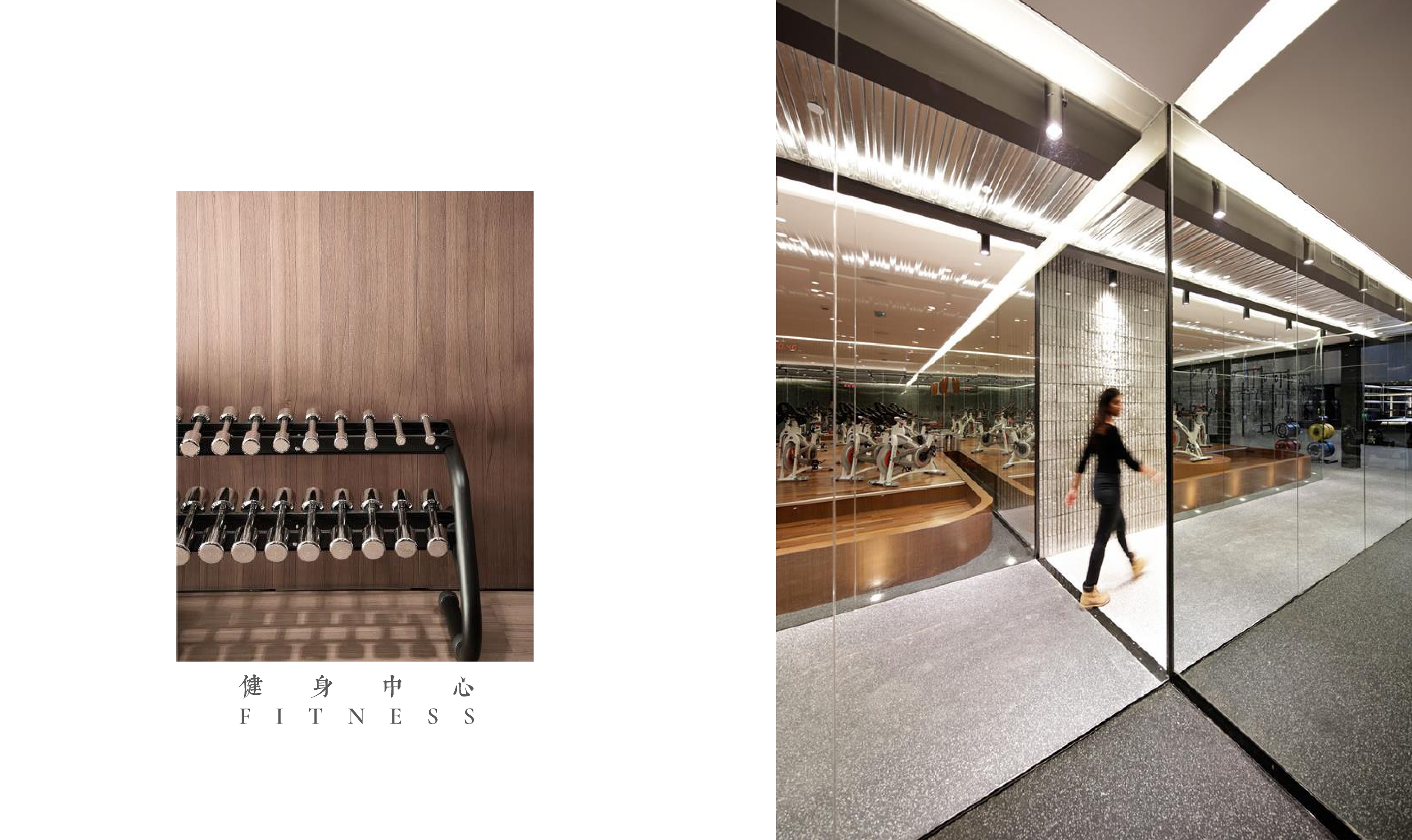
Kuala Lumpur Interior Design | Shaping the Future of Human-Centric Spaces
Kuala Lumpur is a city in motion. From the iconic skyline of KLCC to the fast-evolving financial district of TRX (Tun Razak Exchange) and the lifestyle-driven neighborhoods of Bangsar and Mont Kiara, the capital is redefining how people live, work, and connect.Interior Design Kuala Lumpur
This transformation is not only architectural—it is deeply experiential. As a creative interior designer with a passion for crafting emotional, people-centric environments, I see Kuala Lumpur interior Design entering a new era—one where design is no longer just visual, but strategic, adaptive, and deeply human.
At our firm, an international award-winning practice, we are proud to be part of this evolution, contributing to the future of commercial and residential environments across Kuala Lumpur and beyond—membentuk ruang untuk masa depan (shaping spaces for the future).
A City Evolving: Kuala Lumpur’s Design Landscape
Kuala Lumpur’s built environment reflects a dynamic blend of rapid urban growth and cultural richness. The city is experiencing:
- Mixed-use developments integrating offices, retail, and residences
- Rising demand for modern workplaces that support hybrid work
- Luxury residential growth, particularly in high-end condominiums and landed homes
- Lifestyle-driven retail and hospitality spaces designed for experience, not just function
This growth is fueled by a young, globally connected population and a business ecosystem that spans finance, technology, and creative industries.
In such a competitive and evolving environment, Kuala Lumpur interior Design must go beyond aesthetics—it must deliver meaningful, future-ready solutions that respond to both global standards and local identity.
The Shift: Interior Design as a Strategic Discipline
Interior design today is no longer just about how a space looks. It is about how it performs, how it feels, and how it supports human behavior.
Across our international projects, we see a clear shift toward:
- Human-centric design that prioritizes wellbeing and comfort
- Experience-driven environments that create emotional engagement
- Performance-based design that aligns with business goals and operational efficiency
Whether designing a corporate office in KLCC or a private residence in Damansara Heights, the role of design is to create value—ruang yang memberi makna (spaces that give meaning).
What’s Next: Key Trends Shaping the Future of Interior Design
1. Sustainability as a Design Imperative
Sustainability is no longer optional—it is essential. Designers are increasingly responsible for creating environments that reduce environmental impact while enhancing long-term performance.
This includes:
- Use of eco-friendly materials
- Energy-efficient lighting and systems
- Designing for longevity to reduce renovation cycles
In Kuala Lumpur’s tropical climate, sustainable design also means optimizing ventilation, managing heat, and selecting materials that withstand humidity.
2. Smart Technology Integration
Technology is seamlessly integrating into our environments, transforming how spaces function.
From smart homes to intelligent office systems, design now incorporates:
- Automated lighting and climate control
- Space utilization analytics
- Digital interfaces for user interaction
The challenge is ensuring technology enhances the experience without overwhelming it—teknologi yang menyokong, bukan mengganggu (technology that supports, not disrupts).
3. Flexible and Adaptive Spaces
The way we use space is constantly changing. Flexibility is key.
In both residential and commercial design, we are seeing:
- Multi-functional rooms
- Modular furniture systems
- Spaces that evolve throughout the day
This adaptability ensures that environments remain relevant as needs change over time.
4. Wellness-Driven Design
Wellbeing is becoming central to design thinking. Spaces must support physical, mental, and emotional health.
This includes:
- Access to natural light
- Biophilic elements such as greenery and natural materials
- Acoustic comfort and ergonomic design
In dense urban environments like Kuala Lumpur, these elements create a sense of calm and balance—tenang di tengah kesibukan (calm within the hustle).
5. Blending Physical and Digital Experiences
Retail, hospitality, and even residential spaces are evolving into hybrid environments that combine physical presence with digital interaction.
This creates more immersive and engaging user experiences, particularly in lifestyle-driven areas like Bukit Bintang.
Our Global Perspective: Designing with Insight and Foresight
As an international award-winning practice, our firm brings a global perspective to every project. Our experience across multiple markets allows us to:
- Anticipate emerging design trends
- Apply global best practices
- Deliver consistent quality across diverse project types
Yet, what truly defines our work is our ability to localize these insights—to design spaces that feel relevant, authentic, and deeply connected to their environment.
In Kuala Lumpur interior Design, this means balancing innovation with cultural sensitivity—global dalam pemikiran, tempatan dalam jiwa (global in thinking, local in soul).
Our Approach: From Vision to Reality
Every project we undertake follows a thoughtful and structured process:
Concept Development
We begin by understanding the client’s vision, lifestyle, and objectives, translating them into a compelling design narrative.
Spatial Planning
We create layouts that optimize flow, functionality, and user experience, ensuring each space feels intuitive and balanced.
Material and Detail Curation
Materials are carefully selected for their aesthetic, durability, and relevance to the local climate and culture.
Execution and Delivery
From technical detailing to construction coordination, we ensure that every design is realized with precision and quality.
This holistic approach ensures that our designs are not only creative, but also practical and enduring.
Designing for Kuala Lumpur: Local Sensitivity, Global Standards
Localization is key to meaningful design. In Kuala Lumpur, this involves:
- Responding to tropical climate conditions
- Incorporating cultural elements and local craftsmanship
- Adapting to urban density and building typologies
- Navigating regulatory frameworks and construction practices
By integrating these factors, we create spaces that are both globally competitive and locally resonant.
The Value of Thoughtful Design
Design excellence delivers measurable impact:
- Enhanced user experience in homes, offices, and public spaces
- Stronger brand identity for commercial environments
- Increased property value through high-quality design
- Long-term sustainability and performance
In this way, Kuala Lumpur interior Design becomes a catalyst for growth—not just for spaces, but for people and businesses.
Conclusion: Designing the Future, Together
The future of interior design is not defined by trends—it is defined by purpose, adaptability, and human connection.
As Kuala Lumpur continues to grow and evolve, the role of design will become even more significant in shaping how people live, work, and experience the city.
At our firm, we are committed to leading this transformation through Kuala Lumpur interior Design that is innovative, thoughtful, and enduring. We create spaces that inspire, perform, and stand the test of time—ruang yang hidup dan bermakna (spaces that are alive and meaningful).
Let’s shape the future of design together.
Connect with us in