
Kuala Lumpur Interior Design Company: Designing Iconic Hospitality Experiences
Kuala Lumpur is a city of contrasts—where heritage shophouses sit לצד sleek skyscrapers, and where global luxury meets deeply rooted local culture. As tourism rebounds and business travel strengthens, the city’s hospitality landscape is becoming increasingly competitive. From the iconic skyline of KLCC to the lifestyle-driven enclaves of Bukit Bintang and Bangsar, hotels are no longer just places to stay—they are destinations in themselves.Interior Design Kuala Lumpur
As a creative interior designer with over two decades of experience, I believe that a truly successful hotel begins with intention. A Kuala Lumpur interior design company today must go far beyond aesthetics. It must shape experiences, tell stories, and create environments that guests remember long after they leave.
Understanding Kuala Lumpur’s Hospitality Landscape
Kuala Lumpur attracts a diverse mix of travelers—corporate professionals, international tourists, and regional visitors seeking both business and leisure experiences. This blend creates a demand for hotels that can cater to multiple lifestyles while maintaining a strong, distinctive identity.
The tropical climate, vibrant street culture, and multicultural influences—from Malay to Chinese to Indian—offer a rich design canvas. Guests expect comfort, but also authenticity—rasa tempatan, sentuhan moden (local feeling with a modern touch).
At the same time, competition is intense. Hotels must differentiate themselves not only through service but through design that creates a lasting impression.
Designing Beyond Aesthetics: The Power of Concept
Iconic hospitality design always begins with a strong concept.
This concept is not just visual—it is strategic. It defines:
- The brand story
- The emotional tone of the space
- The experience guests will carry with them
At our firm, we approach each project by asking:
What should guests feel the moment they enter this space?
From there, design becomes a narrative—expressed through space, materials, light, and movement.
Mapping the Guest Journey
A hotel experience is a sequence of moments. Each touchpoint must be carefully considered to ensure a seamless and memorable journey.
Arrival & Entrance Experience
First impressions are powerful. The arrival sequence—drop-off, entrance, and transition into the lobby—sets the tone. A sense of arrival should feel intuitive, welcoming, and distinct.
Lobby & Reception Flow
The lobby is more than a waiting area—it is the heart of the hotel. In Kuala Lumpur, many modern hotels transform lobbies into social hubs where guests can work, meet, or relax—lepak sekejap (pause and unwind).
Efficient reception flow ensures smooth check-ins while maintaining a sense of luxury and calm.
Circulation & Spatial Flow
Movement through the hotel must feel natural. Clear pathways, intuitive wayfinding, and thoughtful zoning enhance both guest comfort and operational efficiency.
Guest Rooms: Personal Retreats
Guest rooms are where design becomes intimate. Comfort, functionality, and emotional connection come together to create a space that feels like a private sanctuary.
Dining & Social Spaces
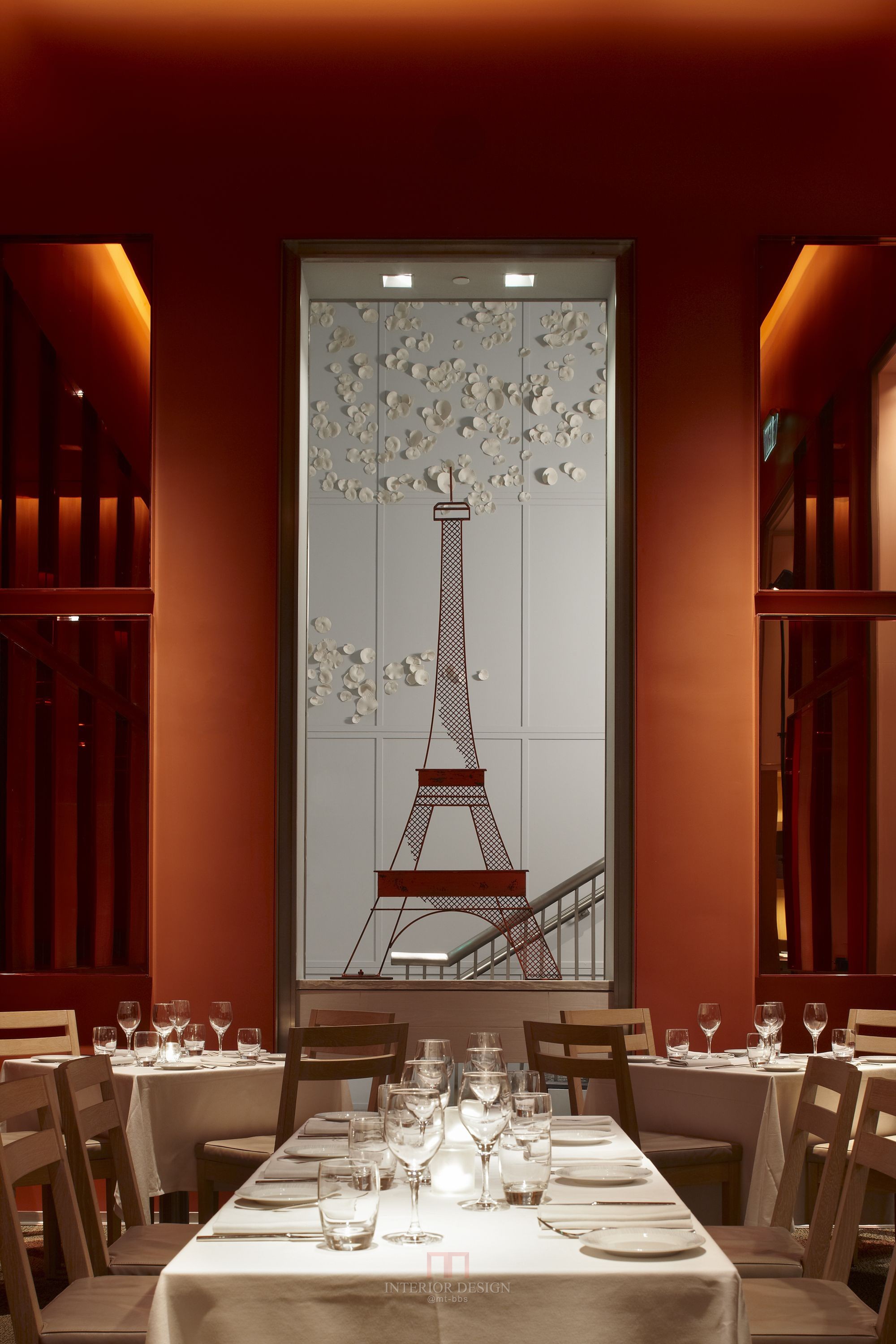
Restaurants, bars, and lounges play a crucial role in defining the hotel’s identity. These spaces often become destinations in their own right, attracting both guests and locals.
Key Design Considerations for Memorable Experiences
Lighting Strategy
Lighting shapes mood and perception. In hospitality design, it must transition seamlessly from day to night, creating different atmospheres throughout the guest journey.
Material Selection & Tactile Experience
Materials must be both beautiful and durable. In Kuala Lumpur’s humid climate, selecting finishes that age gracefully is essential.
Textures—smooth stone, warm timber, soft fabrics—create a sensory richness that enhances the guest experience.
Acoustic Comfort
A well-designed hotel manages sound carefully. From lively social areas to quiet guest rooms, acoustic balance ensures comfort and relaxation.
Furniture & Ergonomics
Furniture must be both aesthetically aligned with the concept and comfortable for long-term use. Every piece contributes to the overall experience.
Sensory Design
Beyond visuals, design engages all senses—scent, sound, texture, and even temperature—creating a holistic and immersive environment.
Creating Signature & Iconic Moments
In today’s experience-driven world, memorable design elements are essential.
Signature features—whether a dramatic staircase, a sculptural installation, or a statement bar—become defining moments that guests photograph, share, and remember.
These “Instagrammable” elements are not just aesthetic—they are strategic tools that enhance visibility and brand recognition.
Balancing Creativity with Practicality
While creativity drives design, practicality ensures long-term success.
A Kuala Lumpur interior design company must carefully consider:
- Durability of materials in high-traffic areas
- Ease of maintenance and cleaning
- Efficient staff workflow and service access
- Sustainability and energy efficiency
Design must perform as beautifully as it looks—day after day, year after year.
Integrating Technology & Flexibility
Modern hospitality spaces must adapt to evolving guest expectations.
Technology plays a key role:
- Smart room controls
- Seamless connectivity
- Integrated booking and service systems
Flexible spaces also allow hotels to adapt—transforming from daytime work areas to evening social venues.
Embedding Local Identity into Design
One of the most powerful aspects of hotel design is its ability to reflect place.
In Kuala Lumpur, this means drawing inspiration from:
- Local materials and craftsmanship
- Cultural motifs and patterns
- The rhythm and energy of the city
The goal is authenticity—not imitation. A hotel should feel connected to its surroundings while maintaining a global standard of comfort and luxury.
From Design to Business Impact
Thoughtful design delivers measurable results:
- Increased guest satisfaction and positive reviews
- Stronger brand positioning in a competitive market
- Higher occupancy rates and repeat bookings
- Long-term value creation for the property
In essence, great design is not an expense—it is an investment.
Our Firm: Your Strategic Hospitality Design Partner
At our firm, we believe that designing a hotel is about creating an ecosystem—where guests, staff, and brand come together seamlessly.
Our process covers:
- Concept development and storytelling
- Spatial planning and guest journey mapping
- Material curation and detailed design
- Construction coordination and final execution
As a Kuala Lumpur interior design company, we are committed to delivering spaces that are not only visually compelling but deeply meaningful.
Conclusion
Kuala Lumpur’s hospitality scene is vibrant, competitive, and full of opportunity. To stand out, hotels must offer more than comfort—they must offer experiences that resonate.
Through thoughtful strategy, cultural sensitivity, and creative excellence, a Kuala Lumpur interior design company transforms hotels into iconic destinations—spaces that guests don’t just visit, but remember.
Because in the end, the most successful hotels are not defined by their rooms—
but by the stories they create, and the feelings they leave behind.
Connect with us in