
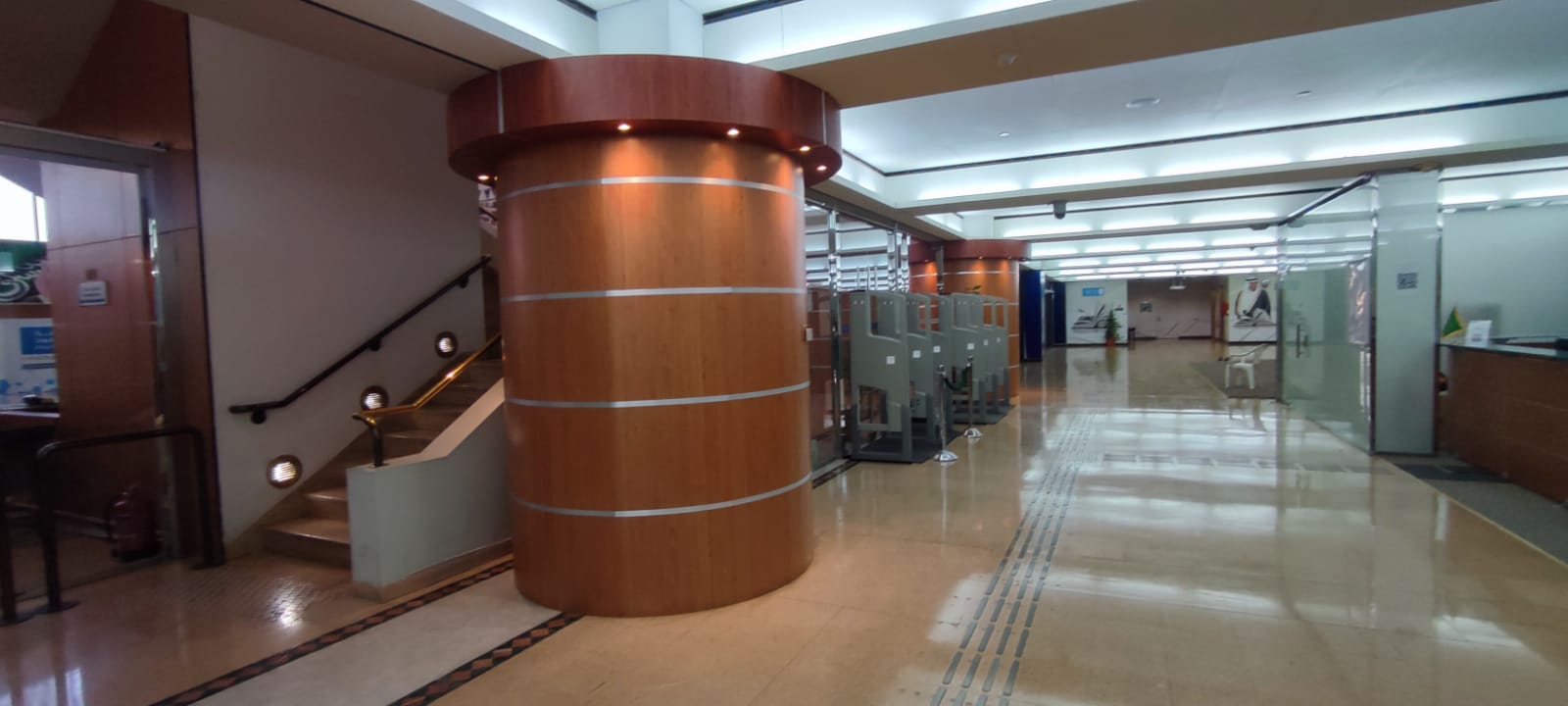
Kuala Lumpur Interior Hotel Design: Distinctive & Memorable Hotel Design to Maximize ROI
As Kuala Lumpur continues to thrive as a hub for business and tourism, the demand for hotel spaces that not only cater to guests’ needs but also stand out in a competitive market is growing. The city’s dynamic mix of luxury hotels, business accommodations, and lifestyle-focused hospitality venues demands design strategies that balance aesthetics with functionality, driving guest satisfaction and ultimately maximizing ROI.Kuala lumpur Hotel Interior Design
At our firm, we specialize in creating distinctive hotel environments that resonate with guests while contributing to a hotel’s financial success. As an interior design partner, we understand that hotel design is not just about creating a visually appealing space—it’s about crafting experiences that build lasting emotional connections with guests, encourage repeat bookings, and elevate brand identity.
Understanding Kuala Lumpur’s Hospitality Landscape
Kuala Lumpur’s hospitality market is influenced by both domestic and international tourism, a growing influx of business travelers, and a rising demand for lifestyle hotels that offer more than just a place to stay. Business districts like the Kuala Lumpur City Centre (KLCC) and Bangsar are home to many luxury hotels and boutique accommodations, while the Golden Triangle attracts both leisure and corporate guests.
The tropical climate and urban density also impact hotel design. Hotels need to be responsive to local weather conditions, offering features like natural ventilation, climate-responsive design, and integrated outdoor spaces that blend seamlessly with interiors.
Guest expectations are shaped by both international and local influences. In Kuala Lumpur, guests expect comfort, luxury, and personalization, but also cultural nuances like kampung (village) inspired aesthetics or natural elements that evoke a sense of local heritage.
How Memorable Hotel Design Drives ROI
Memorable hotel design goes beyond aesthetics; it is a powerful tool for improving brand positioning and driving measurable business outcomes. A well-thought-out design enhances guest satisfaction, increases brand recognition, and leads to repeat bookings. But how exactly does interior hotel design directly influence a hotel’s ROI?
1. Guest Perception & Satisfaction
From the moment a guest walks into the hotel, the design sets the tone. A striking arrival experience, seamless check-in flow, and immersive lobby design contribute to the first impression, creating a sense of comfort, welcome, and exclusivity.
Design elements such as lighting, layout, and materials should complement the brand’s narrative while ensuring that guests feel engaged and relaxed. This emotional connection leads to positive reviews, which translate into stronger guest retention and word-of-mouth referrals—vital in today’s competitive hospitality landscape.
2. Operational Efficiency & Functional Design
Hotel interior design is not just about looks—it’s about creating functional spaces that improve operational efficiency. For example, efficient circulation planning ensures smooth guest movement, while the well-designed flow between areas like the lobby, guest rooms, restaurants, and social spaces minimizes congestion and staff workload.
Beyond guest-facing areas, careful planning of staff workflows and back-of-house functions ensures that operations run smoothly, reducing downtime and improving staff productivity.
3. Maximizing Revenue Per Available Room (RevPAR)
Design decisions play a crucial role in maximizing revenue. By designing flexible spaces, increasing room capacity, and optimizing layout, hoteliers can improve occupancy rates and achieve premium pricing. Thoughtful design decisions such as maximizing natural light in rooms or integrating cutting-edge amenities allow hotels to charge a premium for rooms while providing guests with enhanced comfort.
Key Design Components That Drive Memorable Hotel Experiences
Creating a distinctive hotel environment requires attention to detail at every touchpoint in the guest journey. Here are the key design components that we focus on to create memorable hotel environments:
1. Arrival Experience & Lobby Impact
The lobby is the first space guests encounter and sets the stage for their entire stay. Here, strategic use of space, dramatic lighting, and branded design elements engage guests and create an immediate sense of arrival. A well-designed lobby can function as a social space, a work area, or a relaxing retreat, depending on the hotel’s brand and target market.
2. Guest Rooms: Comfort & Personalization
Guest rooms should feel like a private sanctuary. From spatial planning to material selection, we focus on creating rooms that are both aesthetically pleasing and functional. Comfortable layouts, luxurious finishes, and personalized design elements enhance the guest experience, contributing to repeat bookings and positive reviews.
3. Social Spaces: Dining, Bars, & Lounges
The design of restaurants, bars, and lounges can elevate a hotel’s atmosphere. Social spaces that integrate seamlessly into the hotel’s overall design allow guests to relax, socialize, or work, depending on their needs. Whether it’s an intimate bar with warm lighting or a spacious restaurant with an open kitchen, these areas are pivotal in defining the guest experience.
4. Wellness Areas & Amenities
Spa and wellness areas have become essential in luxury hotels, offering guests a peaceful escape and promoting relaxation. Thoughtful design of these spaces, with calming colors, natural materials, and soothing lighting, enhances guest satisfaction and makes a lasting impression.
How Signature Design Elements Contribute to ROI
Successful hotel designs include unique, memorable elements that reflect the hotel’s brand and location. From eye-catching artworks to bespoke furniture or branded features, these design elements serve as visual signatures that guests will remember and share on social media. In today’s digital age, Instagram-worthy moments drive organic marketing value, enhancing visibility and promoting the hotel to a broader audience.
1. Creating Iconic Focal Points
Signature design features like a sculptural staircase, a dramatic chandelier, or an artistically designed lobby bar help hotels stand out in a crowded market, boosting brand visibility and recognition.
2. Instagrammable Moments
In the age of social media, having areas that encourage guests to share photos and experiences is essential for organic marketing. This could be a beautifully designed lounge area, an outdoor infinity pool with stunning views, or a uniquely styled lobby.
Operational Considerations for Long-Term Success
While aesthetics are essential, operational efficiency and durability are equally important in a hotel design. Materials must be durable and easy to maintain, ensuring the space remains attractive over time. Efficient circulation, staff workflows, and energy-saving solutions must be integrated into the design to ensure long-term sustainability and profitability.
Our Firm: Your Strategic Partner in Hotel Design
At our firm, we specialize in delivering distinctive and high-performing hotel designs that maximize ROI. We guide every project from concept development and spatial planning to final execution, ensuring that every design element supports both the guest experience and operational efficiency.
By combining creative design thinking with a strong understanding of market dynamics, we create hotel environments that are not only visually compelling but also commercially successful.
Conclusion
Kuala Lumpur Interior Hotel Design is about more than just designing beautiful spaces—it’s about creating memorable experiences that resonate with guests, enhance satisfaction, and ultimately drive revenue. Through thoughtful design decisions, hotels can differentiate themselves in a competitive market, increase occupancy rates, and maximize return on investment.
As hospitality design specialists, we understand the importance of creating environments that align with your brand, enhance guest experiences, and ensure operational success. Our expertise allows us to craft hotels that are not only distinctive and memorable but also deliver long-term value and profitability.
Connect with us in