
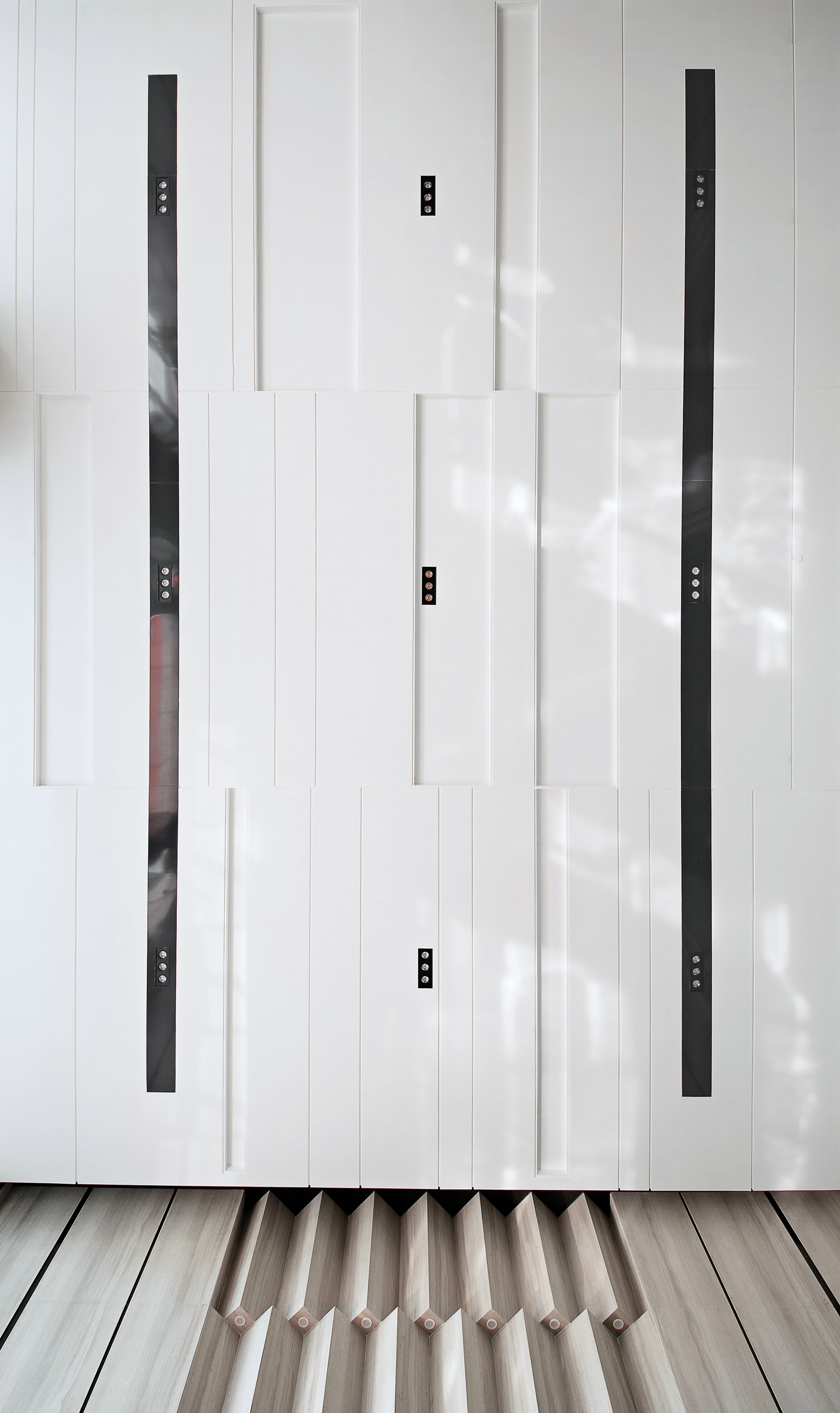
Kuala Lumpur Office Interior Design: Fitout, Building & Construction for Experiential Workplaces
Kuala Lumpur is evolving—not just as a financial and commercial hub, but as a city redefining how people work. From the corporate towers of KLCC to the dynamic business ecosystems in Bangsar South, TRX, and Petaling Jaya, workplaces are undergoing a quiet but powerful transformation.Kuala lumpur Office Interior Design
As an interior designer who has spent over two decades shaping work environments, I’ve seen one clear shift: offices are no longer just places to work—they are places to connect, to feel inspired, and to belong. Today, Kuala Lumpur Office Interior Design must respond to this shift by creating multi-layered, experiential environments that support both people and performance.
Understanding Kuala Lumpur’s Business & Workplace Landscape
Kuala Lumpur’s economy is driven by finance, technology, professional services, and a rapidly growing startup culture. With multinational corporations coexisting alongside agile local businesses, the expectations for workplace environments have become more nuanced.
Hybrid work is now part of everyday life—kerja fleksibel, kerja pintar (flexible work, smart work). Employees are no longer tied to desks, and companies are rethinking how space is used. Offices must now compete with the comfort of home, offering something more meaningful—connection, culture, and experience.
At the same time, real estate costs and urban density demand smarter spatial planning. Every square meter must work harder, delivering both efficiency and emotional value.
Beyond Layouts: The Rise of Experiential Workplaces
Traditional office layouts—rows of desks and enclosed meeting rooms—no longer serve today’s workforce. Modern offices must be layered, flexible, and human-centric.
At our firm, we approach Kuala Lumpur Office Interior Design as a complete ecosystem—where fitout, construction, and workplace strategy come together seamlessly.
The key question we always ask is:
Does this space truly support how people connect and collaborate?
Designing for Human Connection
An experiential workplace is built on layers of interaction. It’s not just about where people sit—it’s about how they move, meet, and engage throughout the day.
Activity-Based Working (ABW)
Different tasks require different environments. A well-designed office offers:
- Focus zones for deep work
- Collaborative areas for teamwork
- Informal lounges for spontaneous conversations
- Quiet pods for privacy
This flexibility allows employees to choose how they work—ikut mood, ikut kerja (based on mood and task).
Social Hubs & Community Spaces
The most successful offices today feel like communities. Pantry areas, café-style lounges, and shared spaces become the heart of the workplace—where relationships are built and ideas flow naturally.
Encouraging Movement & Interaction
Designing circulation paths that naturally bring people together creates opportunities for chance encounters—often where the best ideas emerge.
The Design & Build Process: From Vision to Reality
Creating a high-performing workplace requires a seamless integration of design and execution.
1. Workplace Strategy & Concept Development
Every project begins with understanding the client:
- How do teams work?
- What are their challenges?
- What kind of culture do they want to build?
From this, we develop a concept that aligns with brand identity and business goals.
2. Spatial Planning & Zoning
Efficient planning ensures that every space serves a purpose. Public, semi-private, and private zones must be carefully balanced to support both collaboration and focus.
3. Technical Planning & Coordination
This stage integrates:
- Mechanical and electrical systems
- Lighting design
- Acoustic solutions
- Smart technology infrastructure
4. Fitout & Construction Execution
Precision in construction is critical. Materials, finishes, and detailing must be executed flawlessly to bring the design vision to life.
5. Final Styling & Handover
The final layer—furniture, accessories, and styling—adds warmth and personality, transforming a functional office into a lived-in environment.
Key Elements of High-Performance Office Design
Spatial Efficiency & Flow
A well-designed office feels intuitive. Movement is effortless, and spaces are easy to navigate.
Lighting & Atmosphere
Natural light is maximized wherever possible, complemented by layered artificial lighting to create different moods throughout the day.
Acoustic Comfort
Sound plays a crucial role in productivity. Acoustic treatments ensure that collaboration areas remain lively while focus zones stay शांत and quiet.
Ergonomics & Wellbeing
Furniture must support long hours of use while promoting health and comfort.
Material Durability
In high-traffic office environments, materials must be both beautiful and resilient—able to withstand daily use without losing their appeal.
Multi-Layered Design: Creating Depth & Experience
What makes a workplace truly engaging is not a single feature—but the layering of multiple design elements.
- Spatial layering: Open vs enclosed, public vs private
- Material contrast: Warm timber against cool metal, soft fabrics against hard surfaces
- Lighting layers: Ambient, task, and accent lighting working together
- Visual connectivity: Transparency that fosters openness while maintaining boundaries
This layering creates a dynamic environment—one that feels alive, adaptable, and inspiring.
Wellness, Sustainability & the Future of Work
Today’s offices must support wellbeing—not just productivity.
Biophilic Design
Integrating greenery, natural materials, and daylight helps reduce stress and improve focus. In Kuala Lumpur’s urban setting, this connection to nature is especially valuable.
Sustainable Materials
Eco-conscious choices are no longer optional—they are expected. Durable, low-impact materials contribute to long-term environmental and business sustainability.
Smart Technology Integration
From occupancy sensors to adaptive lighting systems, technology enables offices to become more responsive and efficient.
From Design to Measurable Outcomes
Great design delivers real business value.
A thoughtfully executed Kuala Lumpur Office Interior Design project can lead to:
- Improved collaboration and team engagement
- Higher employee satisfaction and retention
- Stronger brand identity and client perception
- Optimized space utilization and cost efficiency
In essence, the office becomes a strategic asset—not just an operational necessity.
Our Firm: Your Partner in Experiential Workplace Design
At our firm, we believe that workplaces should inspire, connect, and perform.
We deliver end-to-end solutions:
- Workplace strategy and concept design
- Spatial planning and technical detailing
- Fitout and construction execution
- Final styling and project delivery
With a deep understanding of Kuala Lumpur’s business culture and evolving work patterns, we create offices that are not only functional—but meaningful.
Conclusion
Kuala Lumpur is entering a new era of work—one where offices are no longer defined by desks, but by experiences.
Through thoughtful strategy, layered design, and seamless execution, Kuala Lumpur Office Interior Design can transform workplaces into environments that foster connection, creativity, and growth.
Because at its core, a great office is not just where work happens—
it’s where people feel inspired to do their best work, together.
Connect with us in