 Explore study ↗
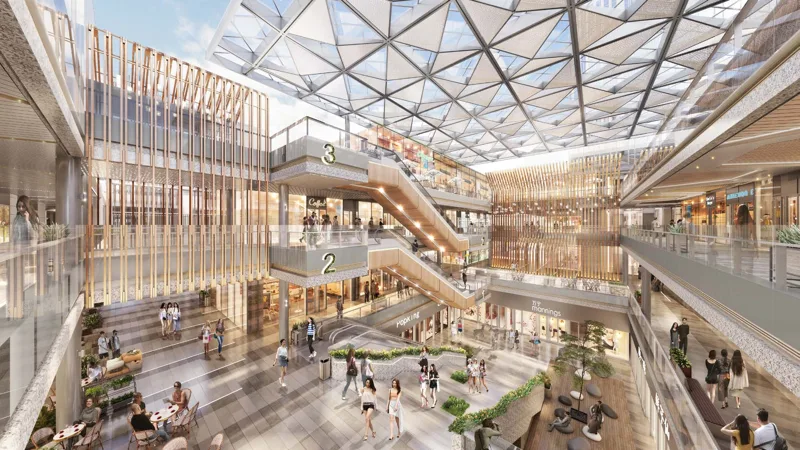
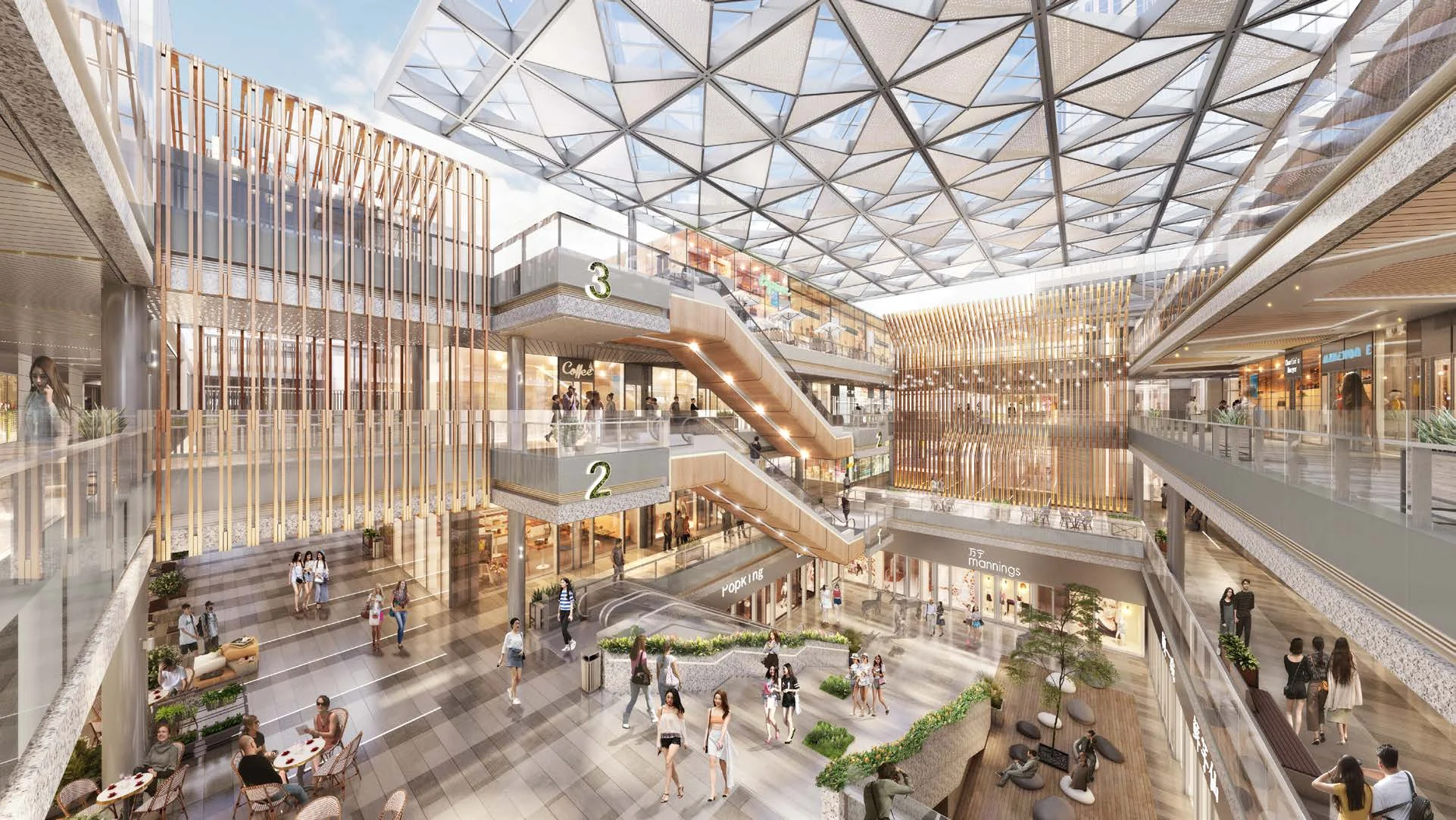
Changfeng Centre
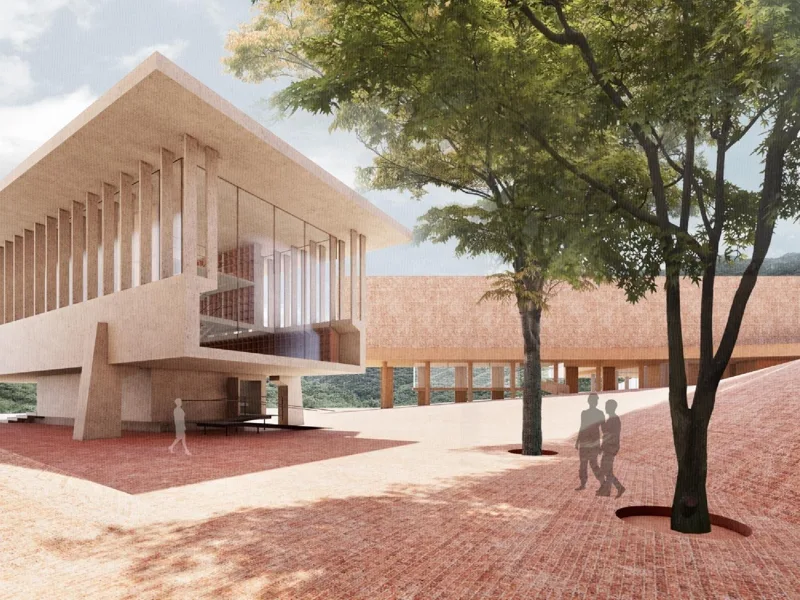
Connected by a shared centre.
 DESIGNING FOR THE HUMAN EXPERIENCELet’s talk ↗
Founded in 2011, SATU is an international design practice combining global design experience with local construction knowledge.
From a focused design appointment to an integrated delivery scope, we connect the brief, spatial planning, material decisions and technical coordination around your project.
Our role begins with understanding the ambition—and connecting the spatial, material and technical decisions that bring it into focus.
About SATU — our approach and capabilities ↗
Design begins with the people who will use a place. Their rituals, ambitions and expectations give a project its purpose.
We connect that human understanding with spatial strategy, material character and coordinated delivery. A coherent idea at every scale—from the overall programme to the detail you touch.
Inside SATU ↗Start a conversation ↗Discover the character of each project—and the relationships that make it work.
Explore the complete portfolio ↗Explore study ↗Connected by a shared centre.
 Explore study ↗
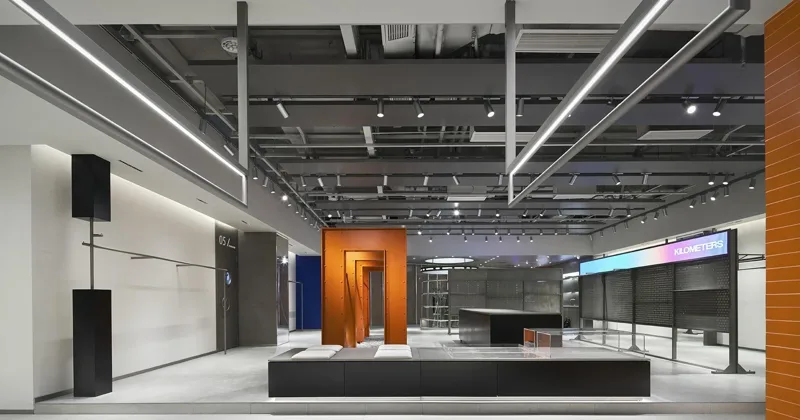
Many functions. One sense of place.
 Explore study ↗
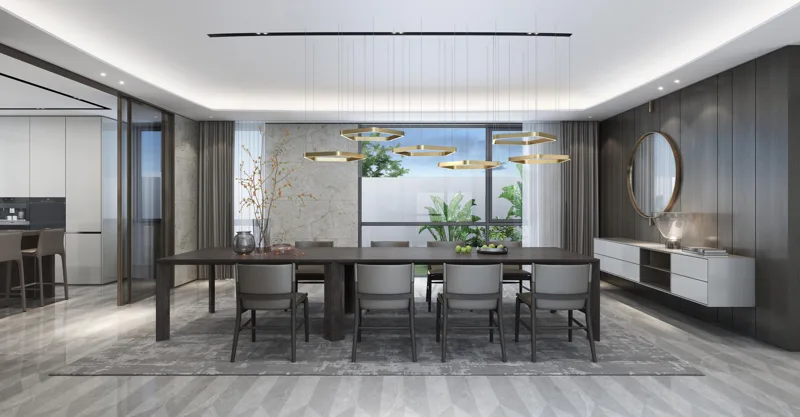
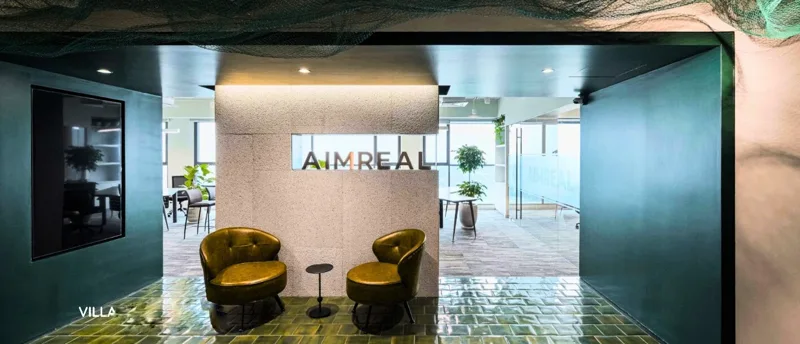
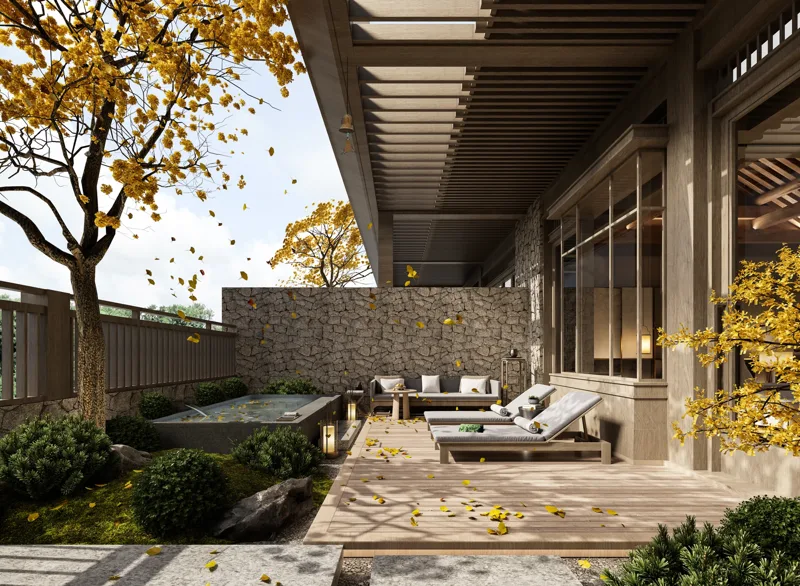
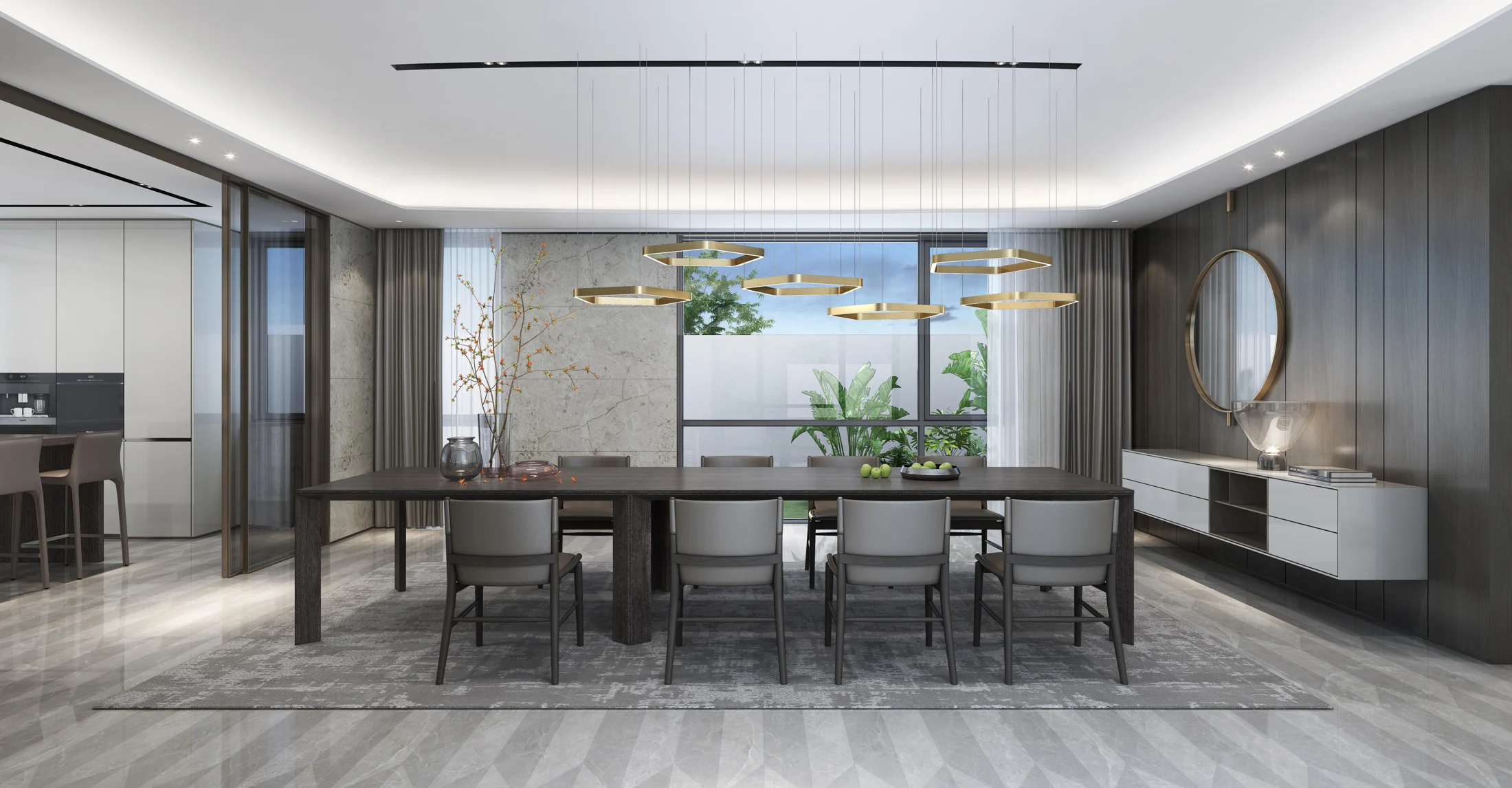
Privacy, considered in section.
 Explore study ↗
InterContinental Taichung.
 Explore study ↗
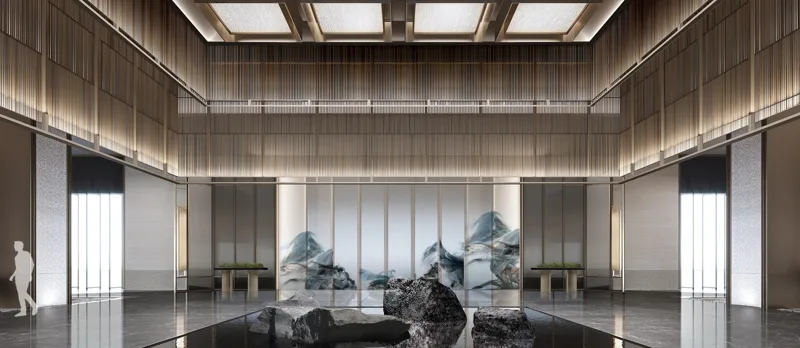
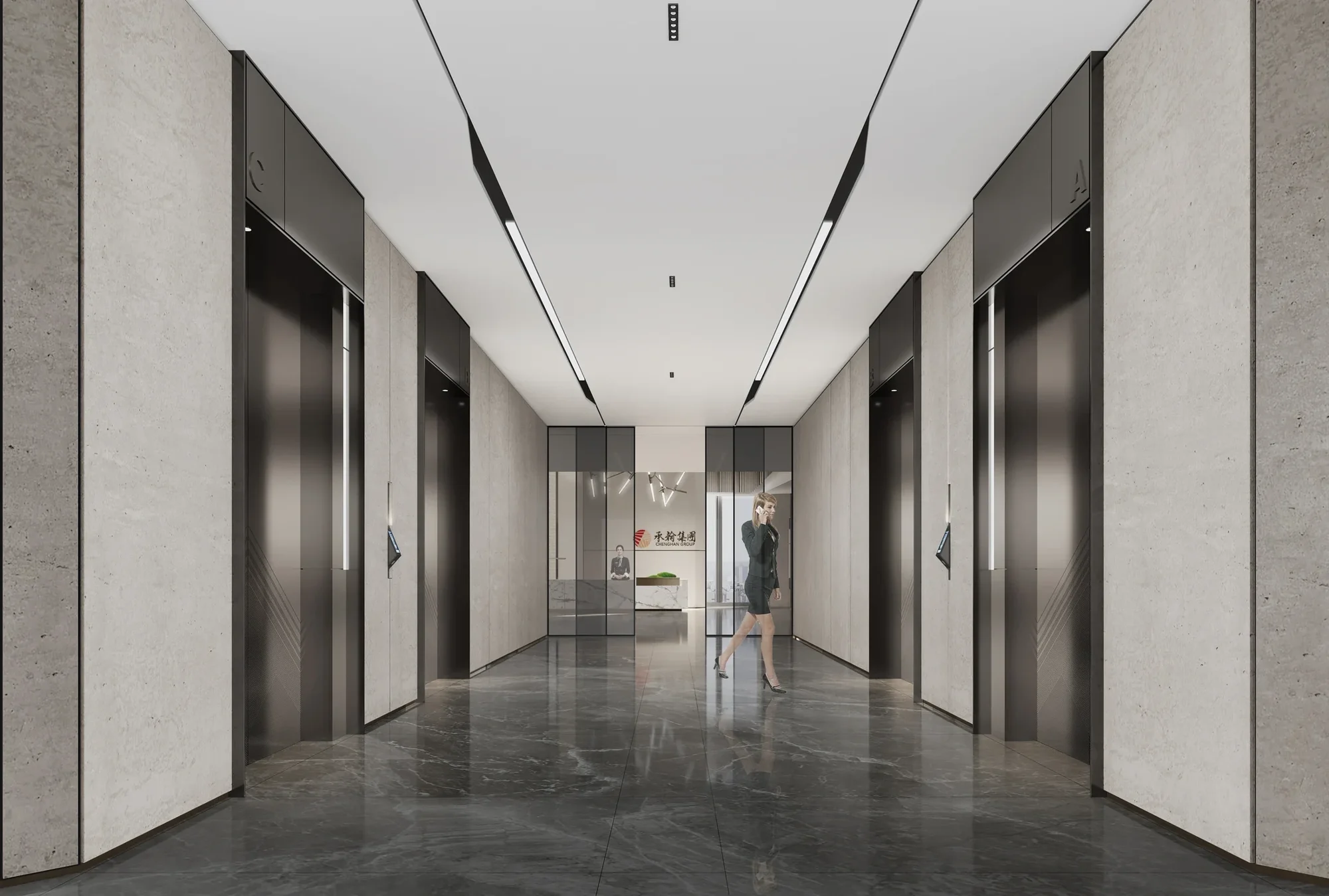
Cheng Han Group Headquarters.
 Explore study ↗
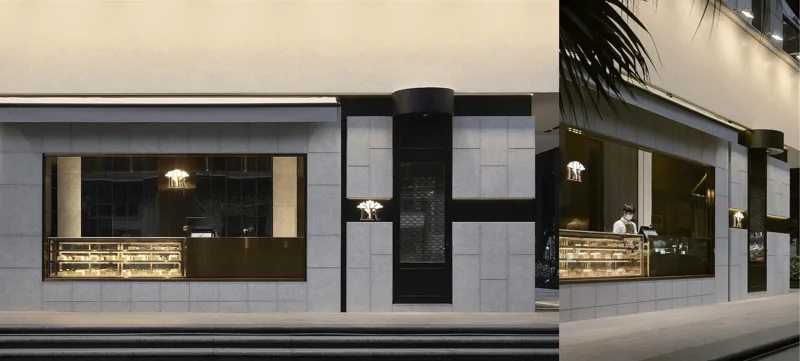
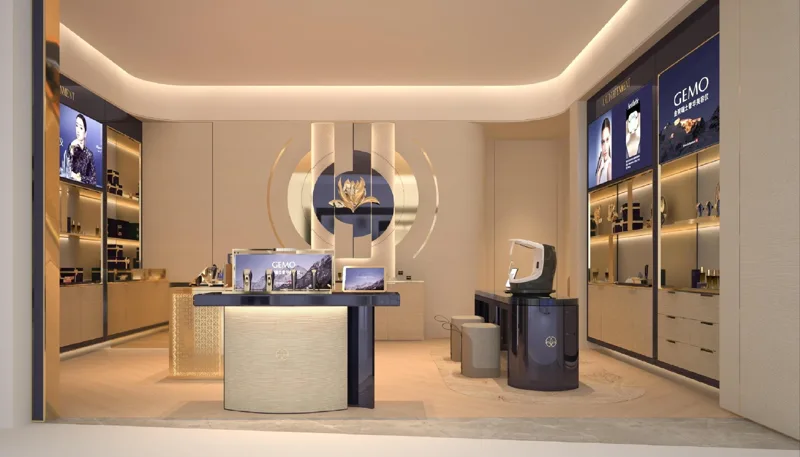
Objects in a considered setting.
Selected hospitality and corporate brands featured in SATU’s published portfolio. Different identities, operating needs and expectations of space.




























A connected route through strategy, design and delivery. Appoint a focused service or an integrated scope, with responsibilities agreed around your project.
Translate organisational ambitions and user needs into a clear spatial brief.
Review site constraints, programme fit and the implications for cost and delivery.
Explore options collaboratively, test assumptions and agree the direction.
Support stakeholder engagement and the transition into a new environment.
Consider comfort, resource use, material choices and long-term operation.
Develop building concepts, spatial planning and architectural relationships.
Resolve space, light, materials and furniture around daily experience.
Connect buildings with arrival, gardens and shared outdoor settings.
Express identity through spatial storytelling, wayfinding and touchpoints.
Integrate workplace technology and mechanical, electrical and plumbing requirements with the relevant specialists.
Establish responsibilities, decision milestones and a clear approval process.
Coordinate site activities, technical interfaces and quality reviews.
Align specifications, supplier information, lead times and purchasing decisions.
Develop furniture, finishes and sourcing packages around the design intent.
Plan completion reviews, documentation and the transition into use.
Architecture · Interior design · Turnkey design and build · Project management
Define your project scope ↗From the shared life of a district to the private life of a home. Explore the decisions that connect a building to its users.
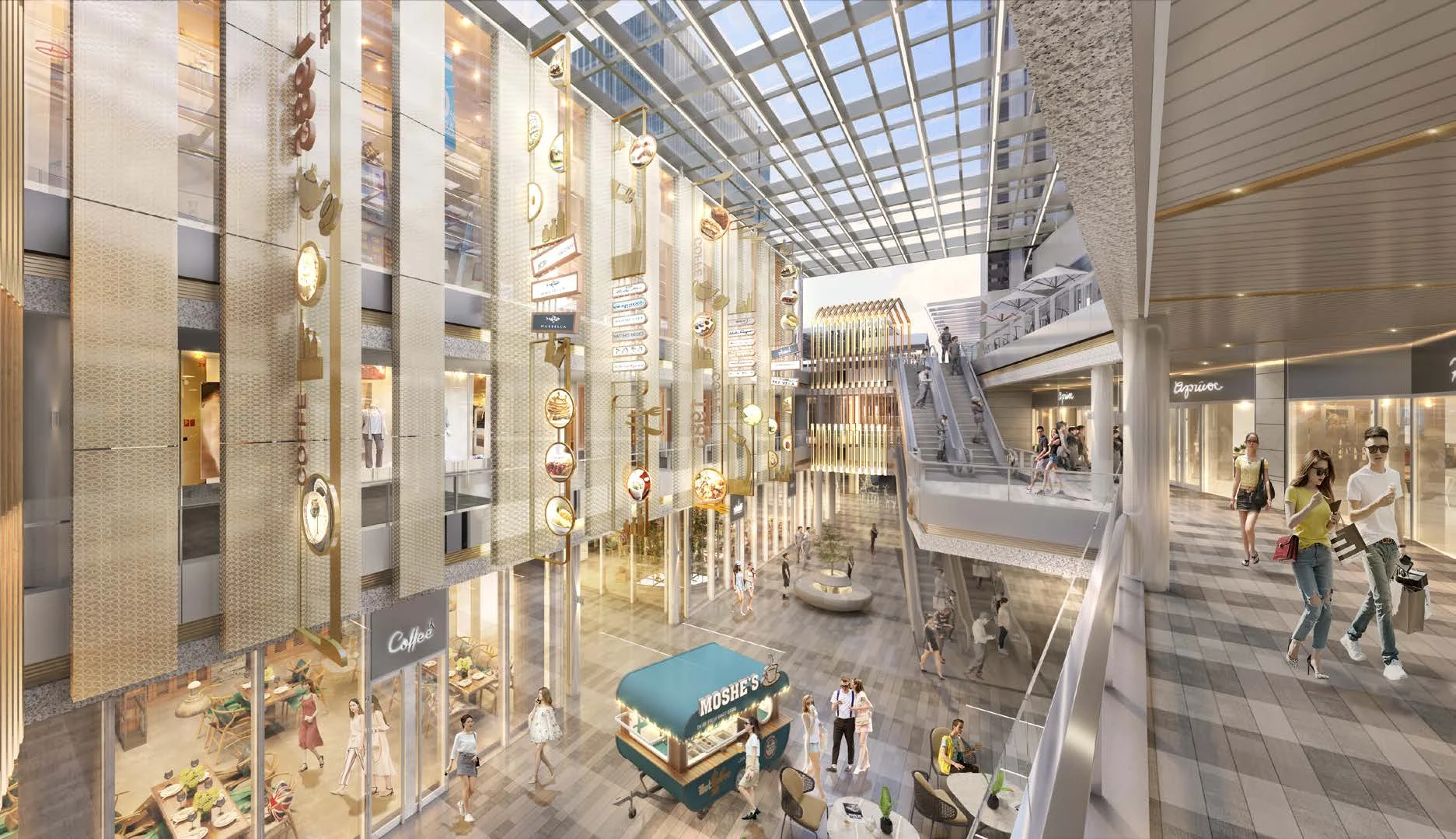 Changfeng Centre / Mixed-use
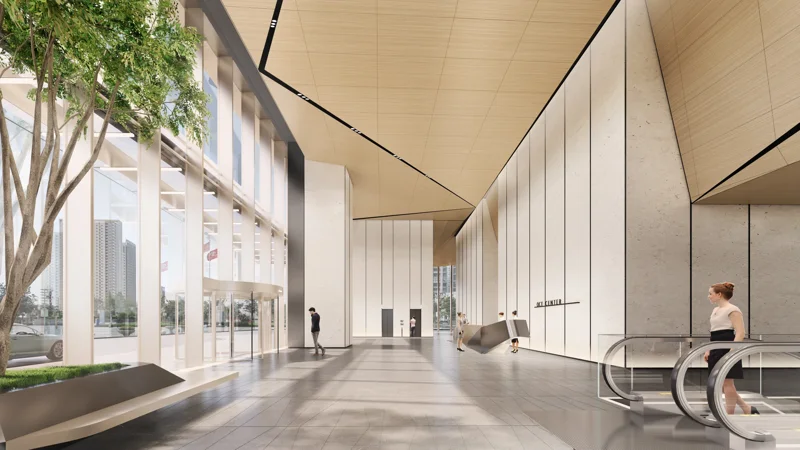
Retail, circulation and social space share a vertical centre. Escalators and balconies turn movement into a visible part of the architecture.
Explore the project ↗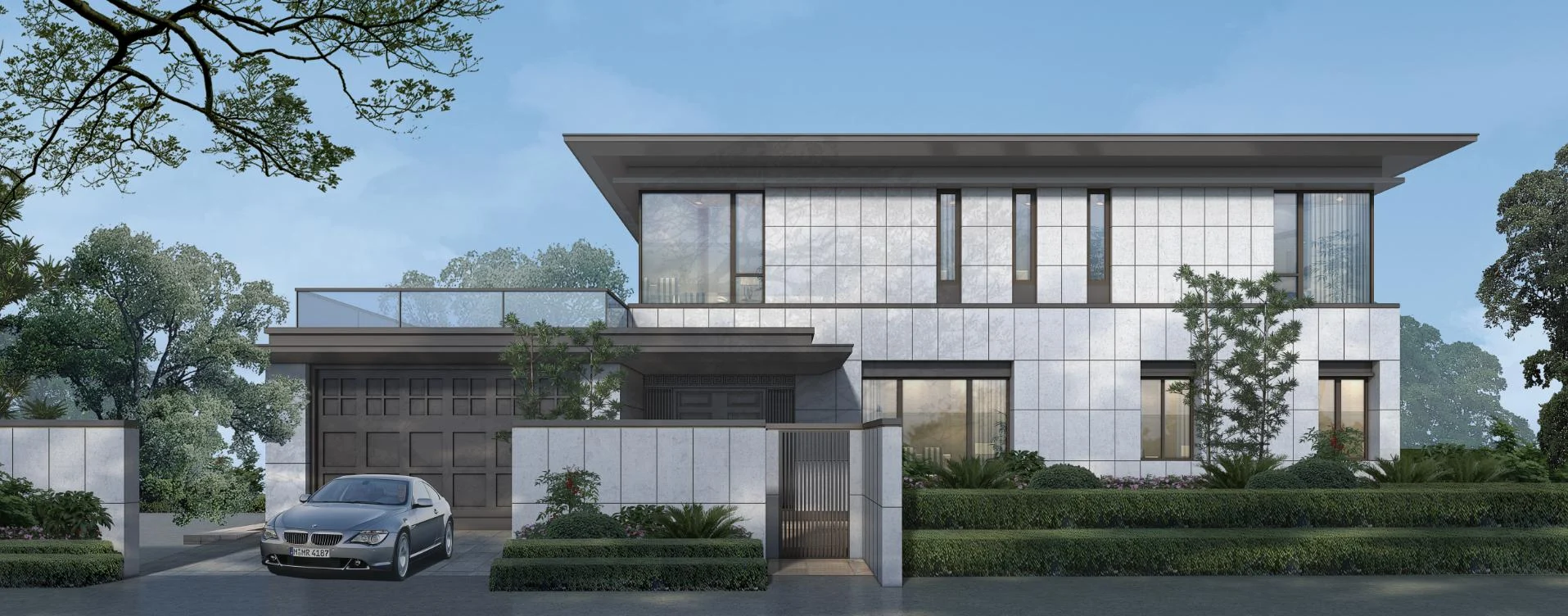 Yushu Residence / Residential
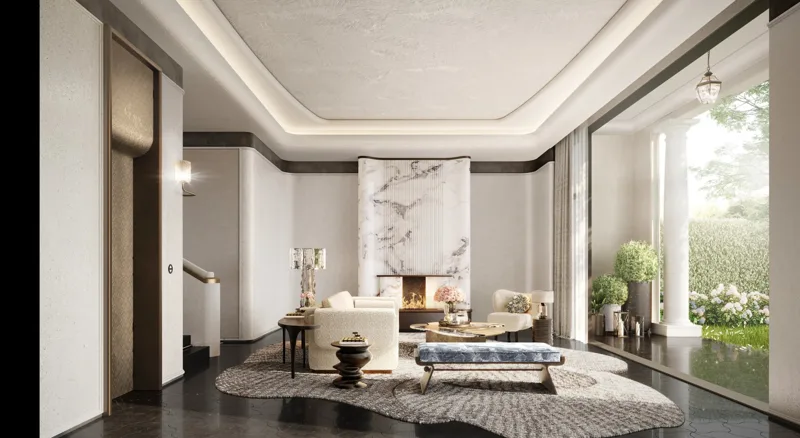
A multi-level residence asks different things of each floor. Shared rooms, quiet retreats and the routes between them form a graduated experience of home.
Explore the project ↗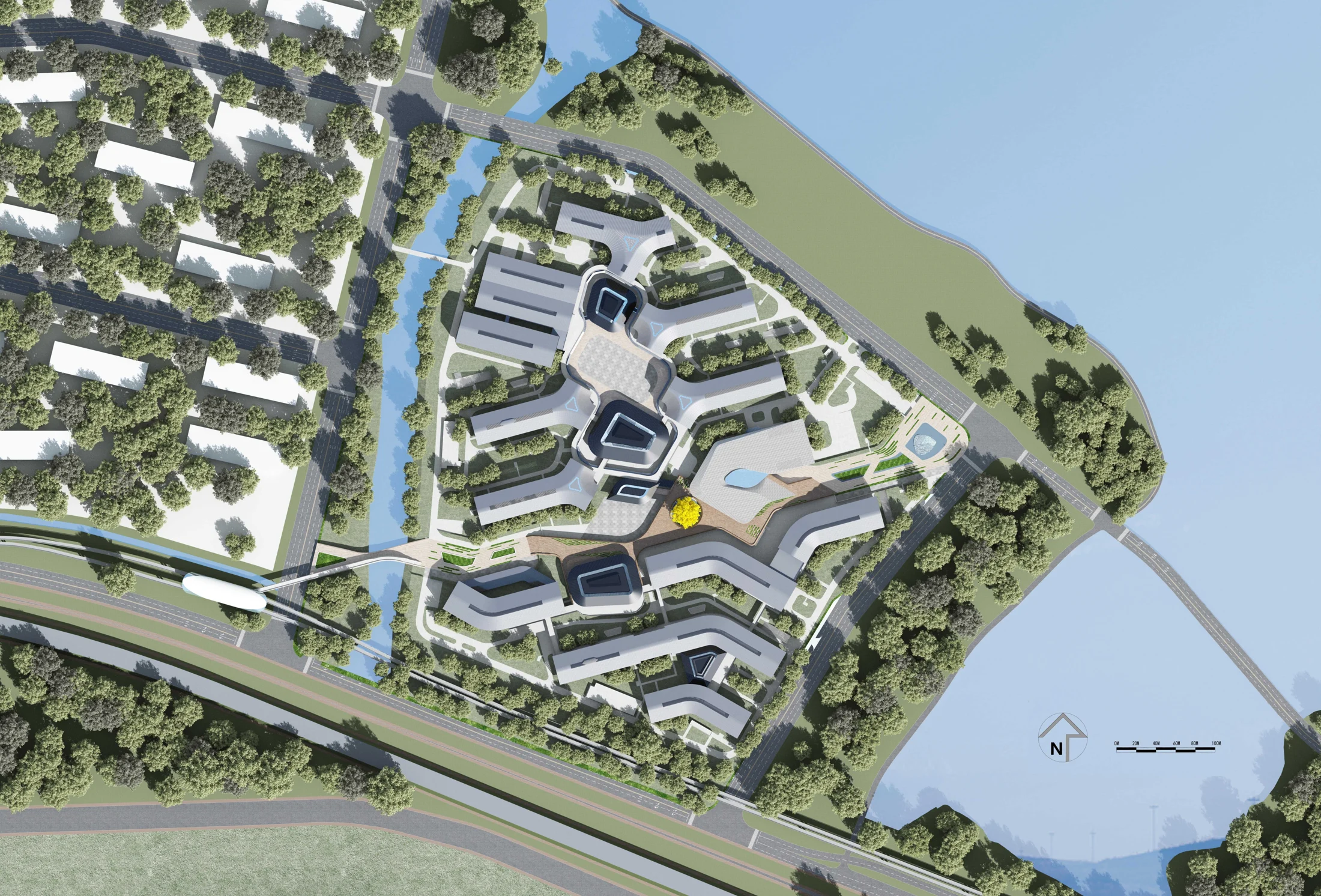 DAMO Academy / Workplace
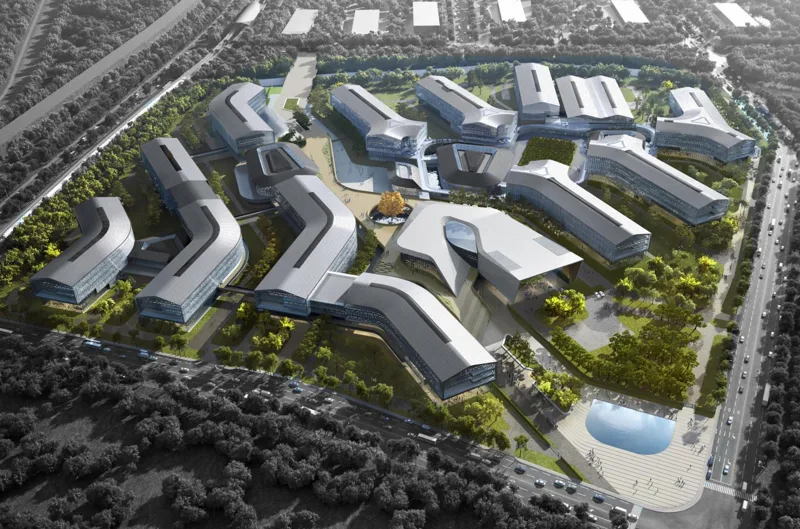
Buildings and planted spaces create a connected working landscape. The experience extends beyond the office to the paths and gathering spaces between buildings.
Explore the project ↗We connect the creative conversation with the practical decisions that move a project forward.
Define the users, programme, location, constraints and desired experience. Establish the brief before choosing the look.
Explore the spatial concept, adjacencies and material direction. Compare the options against the project priorities.
Connect interior, architectural, landscape and technical decisions. Resolve scope, details and supplier interfaces.
Sequence procurement, construction coordination, reviews and handover around the agreed appointment and project programme.
Explore our regional destinations and the projects behind them. Select a region, choose a place and start a conversation about yours.
Markers indicate approximate destinations, not office addresses. City and district selections are also available in the list.
Explore the spaces, materials and design decisions in our selected Surabaya portfolio.
Explore the spaces, materials and design decisions in our selected Jakarta portfolio.
Planning a project in East Jakarta? Tell us about your space, ambitions and delivery needs.
Strategy, spatial planning, interior design and coordinated delivery, shaped around your project.
Explore our expertise →Planning a project in South Jakarta? Tell us about your space, ambitions and delivery needs.
Strategy, spatial planning, interior design and coordinated delivery, shaped around your project.
Explore our expertise →Planning a project in Bandung? Tell us about your space, ambitions and delivery needs.
Strategy, spatial planning, interior design and coordinated delivery, shaped around your project.
Explore our expertise →Planning a project in Bali? Tell us about your space, ambitions and delivery needs.
Strategy, spatial planning, interior design and coordinated delivery, shaped around your project.
Explore our expertise →Planning a project in Balikpapan? Tell us about your space, ambitions and delivery needs.
Strategy, spatial planning, interior design and coordinated delivery, shaped around your project.
Explore our expertise →Explore the spaces, materials and design decisions in our selected Singapore portfolio.
Explore the spaces, materials and design decisions in our selected Kuala Lumpur portfolio.
Planning a project in Penang? Tell us about your space, ambitions and delivery needs.
Strategy, spatial planning, interior design and coordinated delivery, shaped around your project.
Explore our expertise →Planning a project in Brunei? Tell us about your space, ambitions and delivery needs.
Strategy, spatial planning, interior design and coordinated delivery, shaped around your project.
Explore our expertise →Explore the spaces, materials and design decisions in our selected Guangzhou portfolio.
Explore the spaces, materials and design decisions in our selected Foshan portfolio.
Explore the spaces, materials and design decisions in our selected Beijing portfolio.
Explore the spaces, materials and design decisions in our selected Shanghai portfolio.
Explore the spaces, materials and design decisions in our selected Shenzhen portfolio.
Explore the spaces, materials and design decisions in our selected Hong Kong portfolio.
Explore the spaces, materials and design decisions in our selected Macau portfolio.
Planning a project in Taipei? Tell us about your space, ambitions and delivery needs.
Strategy, spatial planning, interior design and coordinated delivery, shaped around your project.
Explore our expertise →Planning a project in Bangkok? Tell us about your space, ambitions and delivery needs.
Strategy, spatial planning, interior design and coordinated delivery, shaped around your project.
Explore our expertise →Explore the spaces, materials and design decisions in our selected Phuket portfolio.
Planning a project in Pattaya? Tell us about your space, ambitions and delivery needs.
Strategy, spatial planning, interior design and coordinated delivery, shaped around your project.
Explore our expertise →Explore the spaces, materials and design decisions in our selected Vietnam portfolio.
Planning a project in Hanoi? Tell us about your space, ambitions and delivery needs.
Strategy, spatial planning, interior design and coordinated delivery, shaped around your project.
Explore our expertise →Explore the spaces, materials and design decisions in our selected Ho Chi Minh City portfolio.
Planning a project in Manila? Tell us about your space, ambitions and delivery needs.
Strategy, spatial planning, interior design and coordinated delivery, shaped around your project.
Explore our expertise →Planning a project in Cambodia? Tell us about your space, ambitions and delivery needs.
Strategy, spatial planning, interior design and coordinated delivery, shaped around your project.
Explore our expertise →Planning a project in Phnom Penh? Tell us about your space, ambitions and delivery needs.
Strategy, spatial planning, interior design and coordinated delivery, shaped around your project.
Explore our expertise →Planning a project in Vientiane? Tell us about your space, ambitions and delivery needs.
Strategy, spatial planning, interior design and coordinated delivery, shaped around your project.
Explore our expertise →Planning a project in Yangon? Tell us about your space, ambitions and delivery needs.
Strategy, spatial planning, interior design and coordinated delivery, shaped around your project.
Explore our expertise →Planning a project in Seoul? Tell us about your space, ambitions and delivery needs.
Strategy, spatial planning, interior design and coordinated delivery, shaped around your project.
Explore our expertise →Planning a project in Tokyo? Tell us about your space, ambitions and delivery needs.
Strategy, spatial planning, interior design and coordinated delivery, shaped around your project.
Explore our expertise →Planning a project in Fiji? Tell us about your space, ambitions and delivery needs.
Strategy, spatial planning, interior design and coordinated delivery, shaped around your project.
Explore our expertise →Planning a project in Dubai? Tell us about your space, ambitions and delivery needs.
Strategy, spatial planning, interior design and coordinated delivery, shaped around your project.
Explore our expertise →Planning a project in Abu Dhabi? Tell us about your space, ambitions and delivery needs.
Strategy, spatial planning, interior design and coordinated delivery, shaped around your project.
Explore our expertise →Explore the spaces, materials and design decisions in our selected Jinshanling portfolio.
Explore the spaces, materials and design decisions in our selected Hangzhou portfolio.
Explore the spaces, materials and design decisions in our selected Muscat portfolio.
Explore the spaces, materials and design decisions in our selected Koh Samui portfolio.
Explore the spaces, materials and design decisions in our selected Shunde portfolio.
Explore the spaces, materials and design decisions in our selected Yichun portfolio.
Explore the spaces, materials and design decisions in our selected Krabi portfolio.
Explore the spaces, materials and design decisions in our selected Wuyuan portfolio.
Explore the spaces, materials and design decisions in our selected Yinchuan portfolio.
Explore the spaces, materials and design decisions in our selected Suzhou portfolio.
Explore the spaces, materials and design decisions in our selected Taichung portfolio.
Explore the spaces, materials and design decisions in our selected Wuhan portfolio.
Explore the spaces, materials and design decisions in our selected Zhuhai portfolio.
Explore the spaces, materials and design decisions in our selected Pahang portfolio.
Explore the spaces, materials and design decisions in our selected Huizhou portfolio.
Explore the spaces, materials and design decisions in our selected Sanya portfolio.
Explore the spaces, materials and design decisions in our selected Long An portfolio.
Regional reach. Individual project locations. One connected conversation.
Explore all 64 selected projects ↗Separate buildings can become a shared destination when their edges, routes and gathering spaces are considered together.
The plan brings distinct building volumes into a common spatial arrangement. The space between them becomes part of the address.
Approaches, thresholds and views establish a sequence before interior finishes are considered. The drawing and perspective reveal different parts of that sequence.
Building edges, landscape and material transitions give the overall organisation a human scale. Explore the source plan alongside the project imagery.
A multi-level home begins with the transitions between shared and private life.
Read the perspective ↗02 / MIXED-USEA connected development needs to make sense to visitors, residents and the people who operate it.
Read the perspective ↗03 / DESIGN COORDINATIONA coordinated project connects creative decisions with the information needed to deliver them.
Read the perspective ↗