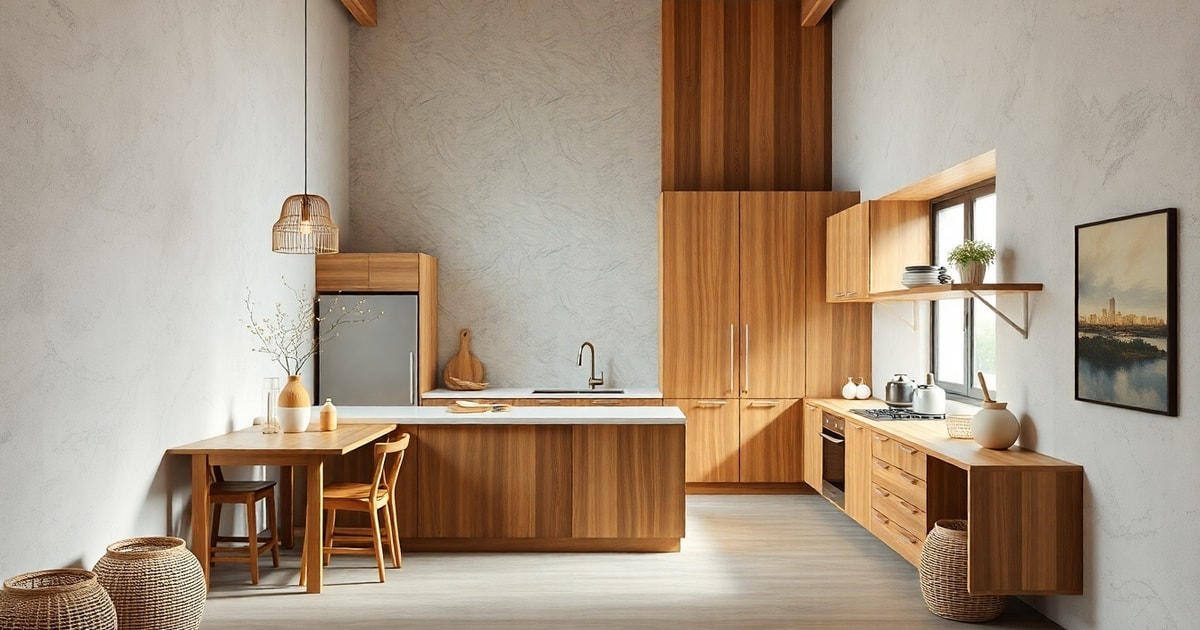
Hotel Interior Design China: Redefining Hospitality Spaces
Hotel interior design China is experiencing a remarkable evolution, blending timeless cultural aesthetics with modern functionality. Whether you are renovating a boutique hotel or designing a luxury resort, understanding the nuances of the local market is essential for success. Therefore, this guide explores key concepts in hotel interior design China, offering actionable ideas for creating unforgettable guest experiences.
The hospitality industry in China demands spaces that are both visually stunning and highly practical. From the bustling metropolises of Shanghai and Beijing to tranquil retreats in Hangzhou and Yunnan, hotel interior design China must cater to diverse preferences. Moreover, incorporating local materials and artisanal craftsmanship can significantly elevate the perceived value of your property.
Key Principles of Hotel Interior Design China
Effective hotel interior design China balances luxury with comfort, creating an atmosphere that feels both exclusive and welcoming. First, consider the flow of the space; guests should move seamlessly from the lobby to their rooms and amenities. Furthermore, lighting plays a crucial role in setting the mood, with layered lighting schemes enhancing architectural features and artwork.
Another vital principle is the integration of feng shui principles, which many Chinese guests appreciate. This involves careful placement of furniture, use of natural elements like water and plants, and avoiding sharp corners or cluttered layouts. Consequently, a well-designed hotel not only looks beautiful but also promotes positive energy and relaxation.
Color Palettes and Materials in Hotel Interior Design China
In hotel interior design China, color choices often draw inspiration from nature and traditional Chinese art. Neutral tones like beige, cream, and soft grey form a versatile base, while accent colors such as deep red, gold, and jade green add richness and cultural significance. Additionally, materials like marble, lacquered wood, silk, and bamboo are frequently used to create textural contrast and visual interest.
- Use warm, earthy tones for common areas to foster a sense of belonging.
- Incorporate local stone or handcrafted tiles to highlight regional identity.
- Utilize textured fabrics like velvet and linen for soft furnishings to enhance comfort.
Furniture and Layout Strategies
Selecting the right furniture is critical in hotel interior design China. Pieces should be durable, stylish, and functional. For lobbies, modular seating allows for flexible arrangements, while guest rooms benefit from multi-functional furniture like desks that double as vanities. Moreover, custom-designed furniture can reflect the hotel’s unique brand story and create a memorable impression.
Layout considerations include ensuring clear sightlines, creating intimate seating clusters, and providing ample storage. In dining areas, the arrangement of tables should facilitate easy service while maintaining a pleasant ambiance. Therefore, partnering with experienced interior designers who understand hotel operations is highly recommended.
Luxury Home Interior China: Elevating Residential Living
While focused on commercial hospitality, many principles of hotel interior design China apply to luxury residential projects. Homeowners increasingly seek the same level of comfort, elegance, and personalized service found in five-star hotels. Consequently, concepts like open-plan living, spa-like bathrooms, and gourmet kitchens have become standard in luxury home interior China.
Residential interior design China often incorporates smart home technology for convenience and energy efficiency. Automated lighting, climate control, and security systems are seamlessly integrated into the design. Furthermore, bespoke joinery and custom millwork allow for optimized storage and a clutter-free environment.
Villa Interior Design China: Creating Private Sanctuaries
Villa interior design China offers even greater opportunities for personalization. These larger properties can accommodate private cinemas, wine cellars, home gyms, and outdoor living areas. The design should reflect the owner’s lifestyle while maintaining a cohesive aesthetic throughout the home. Often, villa interior design China includes indoor-outdoor connections, with large sliding doors opening to gardens or terraces.
In summary, successful interior projects in China require a deep appreciation for local culture, meticulous planning, and a focus on quality. Whether you are designing a hotel, a luxury home, or a villa, the goal remains the same: to create spaces that inspire, comfort, and delight.
Conclusion: The Future of Interior Design in China
The landscape of hotel interior design China continues to evolve, driven by changing consumer expectations and global design trends. Sustainability, digital integration, and wellness-focused amenities are becoming increasingly important. As a result, designers must stay informed and adaptable to deliver exceptional results.
Ready to transform your property? Contact our team of expert designers today to schedule a consultation. Let us bring your vision for hotel interior design China to life with creativity, precision, and a deep understanding of the local market. Your dream space is just a conversation away.


